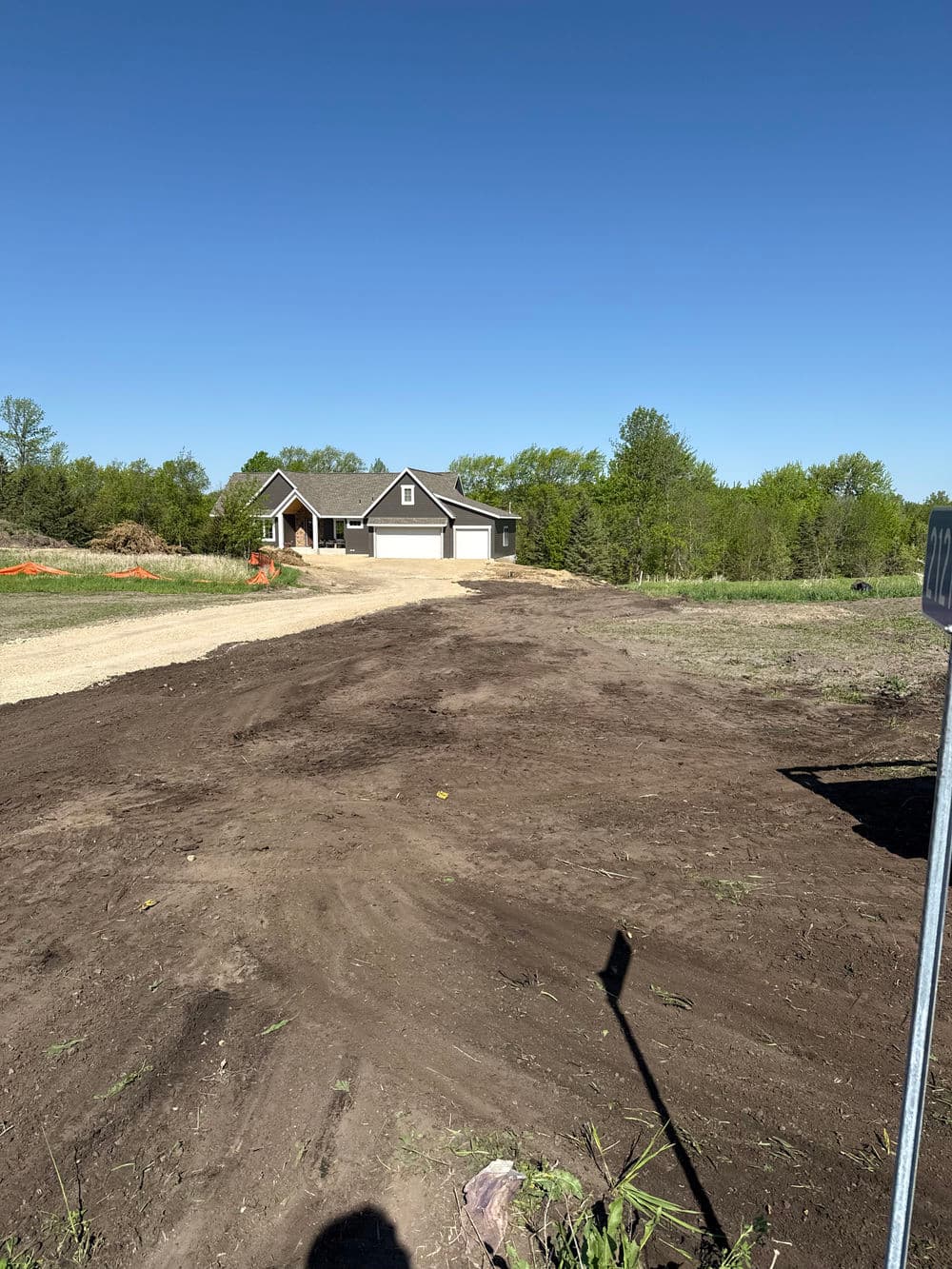
Erosion Control & Soil Stabilization Done Right
We protect your property from runoff, washouts, and slope failure with proven excavation solutions.
Erosion Control & Soil Stabilization
At Voehl Services, we help property owners stop erosion, protect their land, and keep soil where it belongs. Erosion control and soil stabilization are not just about cleaning up a problem after heavy rain. They are about preventing washouts, protecting foundations, improving drainage, and making sure your site stays safe and usable over time. If you have bare slopes, standing water, muddy access areas, ditch erosion, or soil that keeps moving, we can build a practical solution that fits your property.
We bring hands-on excavation experience to every erosion control project. That matters because surface water problems are often tied to grading, drainage flow, soil type, slope angle, and how the land is being used. We look at the full picture before recommending a fix. Our goal is to control runoff, reduce soil loss, and create a more stable surface that holds up through storms and seasonal changes.
What erosion control and soil stabilization mean
Erosion happens when water, wind, or traffic wears away the soil. Over time, that can create ruts, gullies, washouts, unstable embankments, and muddy problem areas. Soil stabilization is the process of strengthening or protecting the ground so it can better resist movement, erosion, and failure. In many cases, the best result comes from combining both services. We control the water, reshape the grade if needed, and reinforce the soil so the area performs better long term.
This service is commonly used on residential lots, new construction sites, driveways, utility corridors, drainage paths, pond edges, embankments, ditches, and sloped areas that are hard to maintain. It is also useful when a property has recurring runoff damage after storms or when disturbed ground needs to be secured before it gets worse.
Problems this service can solve
- Soil washing downhill after rain
- Gullies, channels, and washouts forming in yards or job sites
- Muddy areas caused by poor drainage or loose fill
- Unstable slopes and embankments
- Ditch erosion and failing drainage paths
- Driveway shoulder erosion and edge breakdown
- Sediment moving into low areas, ponds, or nearby structures
- Bare soil left exposed after excavation or construction
- Water runoff threatening foundations, patios, retaining areas, or access roads
Our approach
We start by evaluating the site conditions. We look at how water enters and leaves the area, where the flow speeds up, where soil is exposed, and what kind of grade and compaction issues may be present. We also consider whether the problem is isolated or part of a larger drainage issue. This step is important because adding material without correcting the water movement usually does not last.
Once we understand the cause, we create a plan that matches the site. Some projects need regrading to change runoff direction. Others need drainage improvements, slope reshaping, compacted fill, aggregate placement, erosion control fabric, or protective stone. In some cases, we combine several methods to get a durable result. We explain what we recommend, why it matters, and what kind of performance you can expect.
Common erosion control and stabilization methods
Site grading and slope correction
Improper grading is one of the most common causes of erosion. We can reshape the land to improve runoff flow, reduce water concentration, and create smoother transitions that are less likely to wash out. On sloped ground, even small grade changes can make a big difference in how stormwater behaves.
Drainage improvements
When water is allowed to pond or rush through the wrong area, soil loss follows. We install and improve drainage features that help move water in a controlled way. Depending on the site, this may include swales, drainage channels, culvert work, ditch shaping, outlet protection, and other stormwater management measures that support long-term soil retention.
Compaction and structural fill
Loose or poorly placed soil can settle, shift, and erode fast. We use proper equipment and techniques to place and compact fill where stabilization is needed. This creates a firmer, more reliable base for slopes, access areas, and disturbed ground.
Aggregate and stone stabilization
In areas with repeated runoff or traffic, gravel, crushed stone, or larger rock may be the right solution. We use aggregate to strengthen soft areas, reduce mud, protect surfaces, and help control erosion in ditches, on driveways, around culvert ends, and along drainage paths. For higher-flow areas, heavier stone may be used for armoring and scour protection.
Erosion control fabric and geotextiles
Geotextile materials can help separate soil layers, reinforce weak subgrade, and support long-term stabilization. In the right application, fabric improves performance under stone, on slopes, and in areas with poor soil conditions. This helps reduce mixing, rutting, and washout.
Surface protection for disturbed soil
Freshly disturbed ground is highly vulnerable to rain damage. We can stabilize exposed areas so they are protected while the site is being completed or after excavation work is finished. This is especially important on new construction sites, utility work areas, and recently graded lots where unprotected soil can quickly erode.
Where this service is often used
- Residential properties with sloped yards or drainage issues
- New home construction and site development
- Driveway and private road edges
- Ditches, swales, and drainage easements
- Pond banks and low-lying wet areas
- Building pads and disturbed construction zones
- Utility trench repair and backfilled areas
- Farm lanes, access paths, and work areas with loose soil
Benefits of professional erosion control
A properly stabilized site does more than look better. It helps prevent costly repairs, protects nearby structures, improves access, and reduces future maintenance. It can also help preserve usable yard space, reduce muddy conditions, and limit the chance of runoff damaging neighboring areas. By fixing the grade, drainage, and soil support together, we help create a result that lasts longer than a quick surface patch.
Professional erosion control can also improve safety. Washed-out slopes, soft shoulders, and unstable ground can create hazards for vehicles, equipment, and foot traffic. Stabilizing those areas makes the property easier to use and easier to maintain.
Why customers call Voehl Services
Customers choose us because we understand how excavation, grading, drainage, and soil conditions work together. We do not take a one-size-fits-all approach. We look at the land, the water movement, and the long-term use of the area before we start. That helps us recommend practical solutions instead of short-term coverups.
As a hands-on excavation contractor, we have the equipment and field experience to handle site prep, grading correction, drainage work, trenching, aggregate placement, slope repair, and other services that often go along with erosion control. That means you get a coordinated solution from one team, with a clear plan and a strong focus on lasting performance.
What to expect when you work with us
We begin with a conversation about what you are seeing on the property and how long the issue has been happening. From there, we assess the area, identify likely causes, and explain the best repair options. We will talk through the scope of work, materials, access needs, and any grading or drainage changes that should be made. Our goal is to make the process straightforward and help you feel confident in the work being done.
Every site is different. The right fix depends on water volume, slope, soil condition, surrounding structures, and how the area needs to function. We build our recommendations around those details so the finished result works in real conditions, not just on paper.
Get your erosion problem fixed before it gets worse
Erosion rarely stays small for long. What starts as minor runoff can turn into major washouts, drainage damage, and expensive repairs. If your property has shifting soil, muddy low spots, ditch erosion, or unstable slopes, Voehl Services is ready to help. Contact us to discuss your erosion control and soil stabilization needs and schedule a site review. We will help you find a solid, practical solution that protects your property and holds up over time.
Our Process for Erosion Control & Soil Stabilization
At Voehl Services, we use a practical, field-tested process to stop runoff, protect your property, and stabilize vulnerable soil with long-lasting results.
Site Visit, Runoff Review & Estimate
We start with an on-site visit to inspect slopes, drainage paths, exposed soil, and problem areas causing washouts or sediment loss. Then we explain the best control methods, answer your questions, and provide a clear estimate with a realistic timeline, often within 1 to 3 days.
Custom Stabilization Plan & Scheduling
Once approved, we build a site-specific erosion control plan based on grade, soil type, water flow, and project goals. We schedule the work around weather and site access, coordinate materials like blanket, seeding, or stone, and keep you updated before we begin.
Installation, Final Check & Clean Finish
Our crew installs the selected erosion control and soil stabilization measures with careful grading, proper placement, and close attention to drainage performance. After completion, we walk the site with you, confirm everything is holding as intended, and leave the area clean, secure, and ready to perform.
Erosion Control & Soil Stabilization FAQs
Common questions we hear from property owners, builders, and site managers who need lasting erosion control and stable ground.
Voehl Services
Protect Your Property Before Erosion Spreads
Call Voehl Services now for fast, dependable soil stabilization that prevents costly damage.